Winner: 2026 International Uranium Film Festival Special Script Award
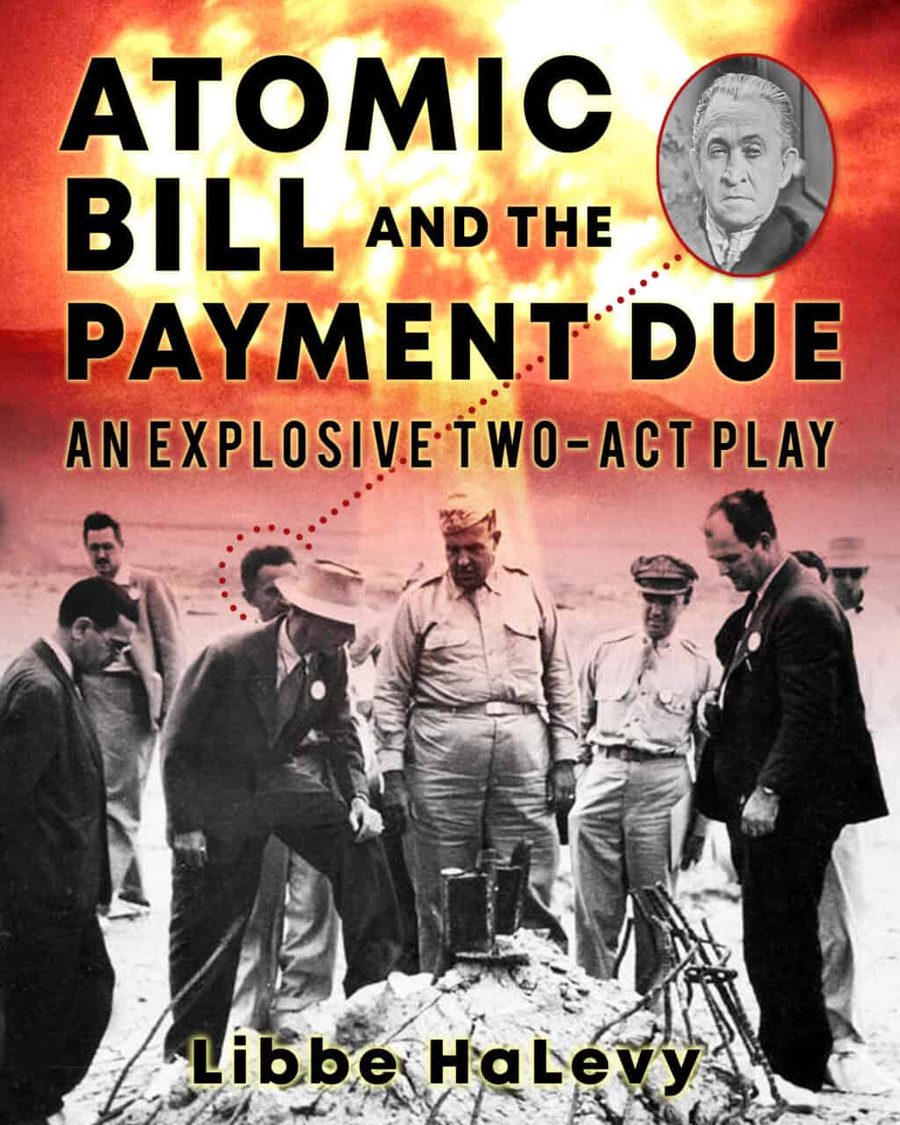
Atomic Bill and the Payment Due
A Two-Act Play by Libbe HaLevy
“How do you hide an atomic bomb blast in plain sight?”
An Oppenheimer-adjacent true story, ATOMIC BILL AND THE PAYMENT DUE follows a woman podcaster whose investigation into a celebrated New York Times reporter embedded in the Manhattan Project becomes an obsession—forcing her to confront how truth, ambition, journalism, and power shaped the public story of the Atomic Age. The play explores media, memory, and accountability.
An Oppenheimer-adjacent true story
A woman podcaster begins investigating William L. Laurence, the celebrated New York Times science reporter who was given extraordinary access to the Manhattan Project during World War II. Laurence was not simply reporting on the development of the atomic bomb. He became part of the story—embedded with the scientists and military officials creating the weapon, granted access unavailable to virtually any other journalist, and ultimately used to help shape how the world would understand what had happened at Hiroshima and Nagasaki.
What begins as curiosity quickly becomes an obsession.
The deeper the podcaster digs, the more troubling the contradictions become. How could one of America's most respected journalists have been so close to the birth of the atomic bomb while simultaneously helping to conceal the full reality of what was happening? What happens to journalism when access, ambition, patriotism, and power become intertwined? And what does it mean when the person telling history has become part of the machinery making history?
As the podcaster follows Laurence's trail through the Manhattan Project and the aftermath of Hiroshima, the investigation opens onto a larger story—one involving military secrecy, government messaging, competing journalists, and the deliberate construction of a public narrative about the first use of nuclear weapons.
At the center is a question that becomes increasingly difficult to escape:
How do you hide an atomic blast in plain sight?
The play moves between the past and the present, between the carefully constructed public story and the evidence buried beneath it. The podcaster's search for answers becomes increasingly personal as she confronts the unsettling possibility that journalism can do more than expose truth—it can also help manufacture the version of truth that survives.
Along the way, the story brings into focus the journalists, scientists, military figures, and witnesses surrounding the birth of the Atomic Age, including the competing accounts that emerged after Hiroshima and Nagasaki. The result is not simply an investigation of one reporter, but an examination of the relationship between journalism and power at a moment when the world itself was being transformed.
ATOMIC BILL AND THE PAYMENT DUE asks what we owe the past—and what happens when the bill for a carefully constructed story finally comes due.
It is a mystery about truth, ambition, journalism, memory, and accountability, set against one of the defining events of the modern age.
From the historical record
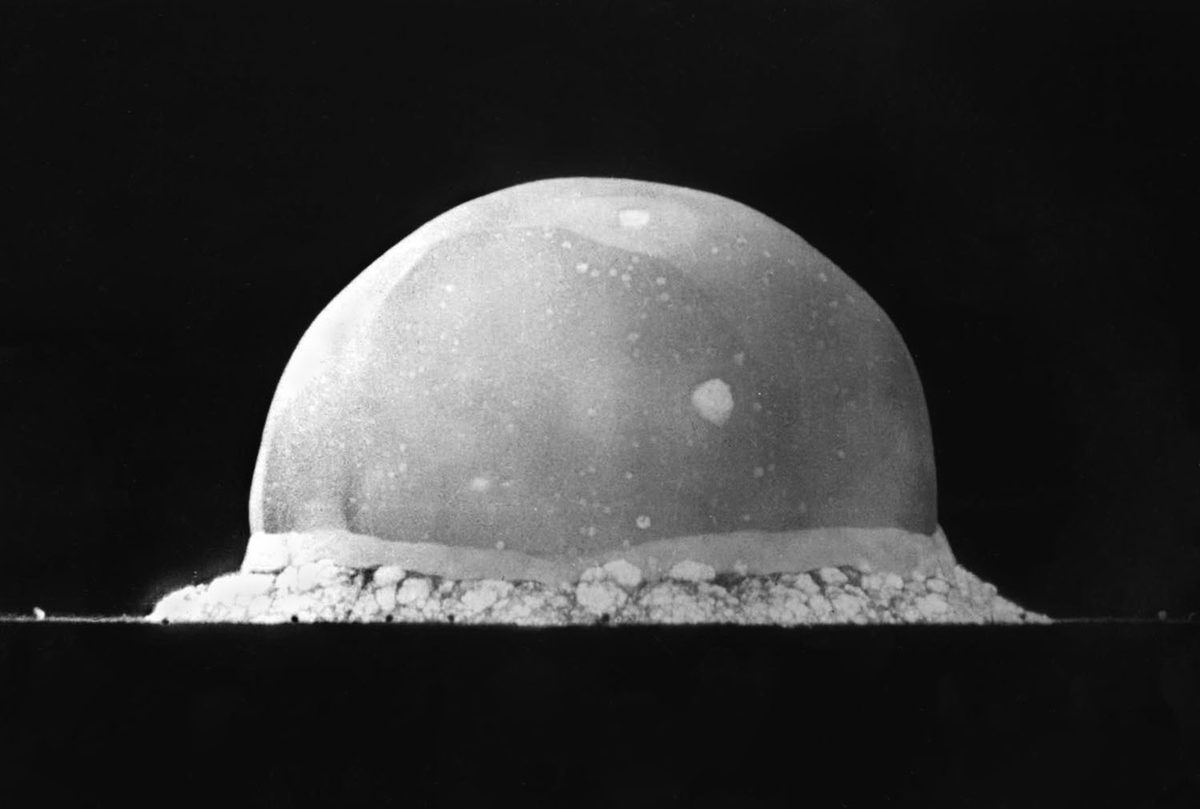
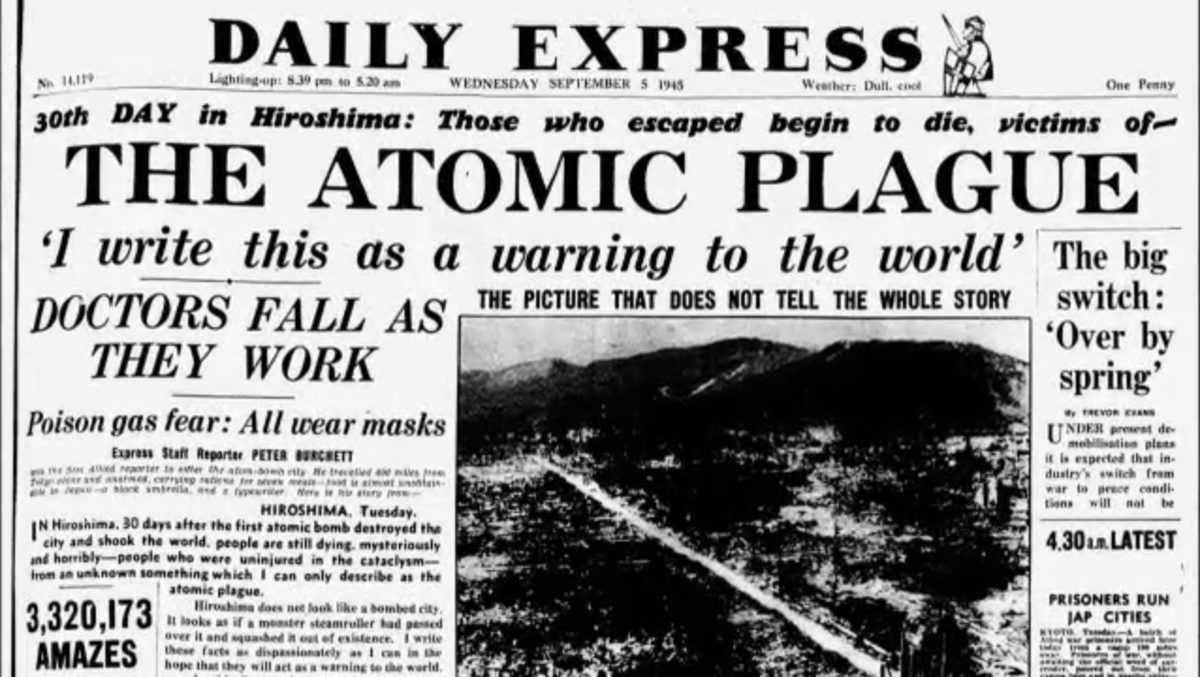
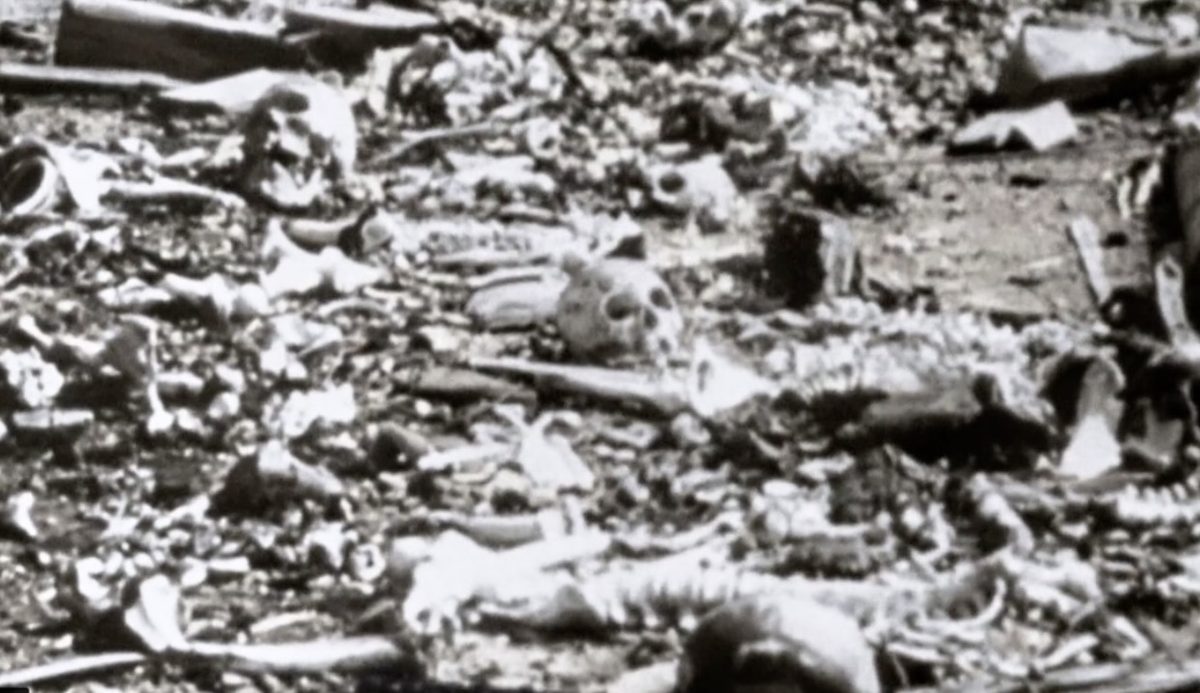
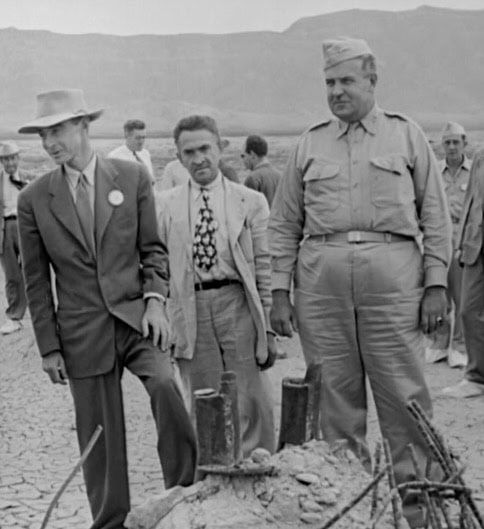
Historical images are in the public domain.
Watch and read
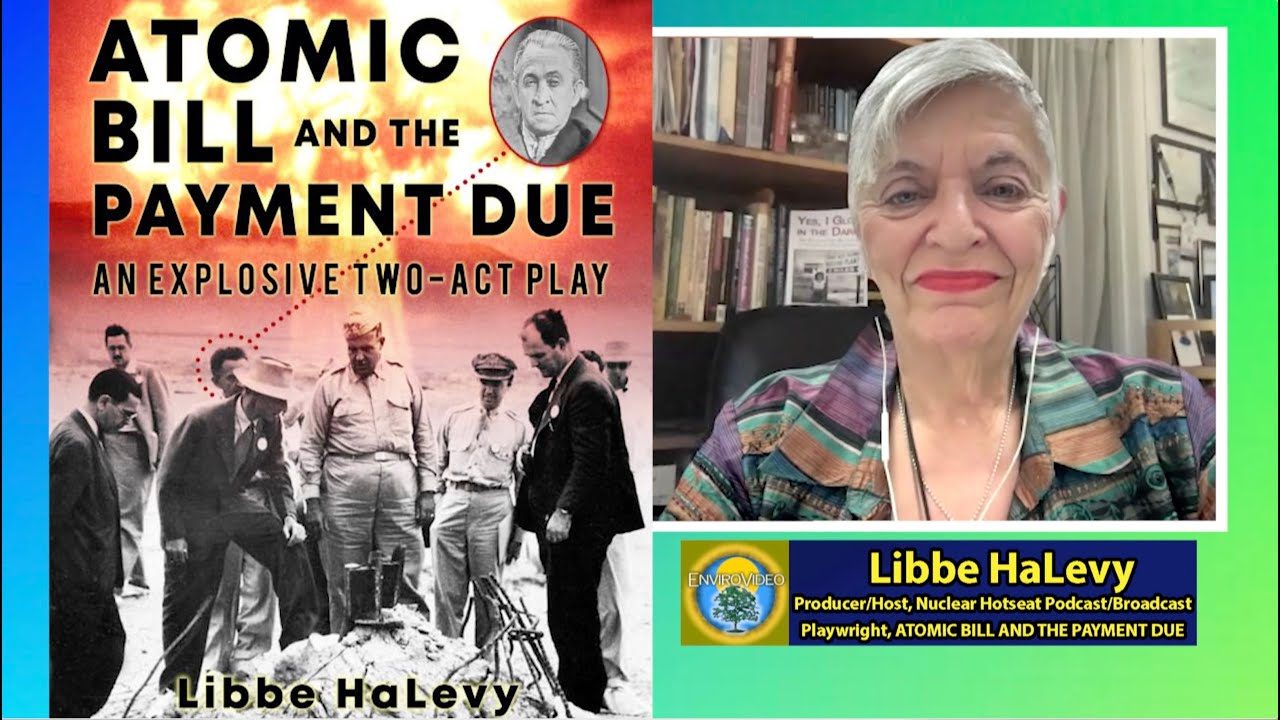
ECU 706: Libbe HaLevy, Atomic Bill and the Payment Due
Enviro Close-Up, the 30-minute nationally syndicated cable program with Karl Grossman.
Articles
- Op-Ed: Explosive Play Ignites Discussion
Karl Grossman (PDF)
- International Uranium Film Festival Awards 2026 Special Script Award to ATOMIC BILL AND THE PAYMENT DUE
filmfestivals.us
- Atomic Bill and the Payment Due
Karl Grossman, CounterPunch
- Atomic Bill, the Bomb Publicist
Greg Mitchell, Substack
- Karl Grossman on being a character in the play
The Southampton Press
Present a reading, staged reading, or production
For further information on ATOMIC BILL AND THE PAYMENT DUE, contact Libbe HaLevy.
info@nuclearhotseat.com